Commercial Waste Removal in Ilford
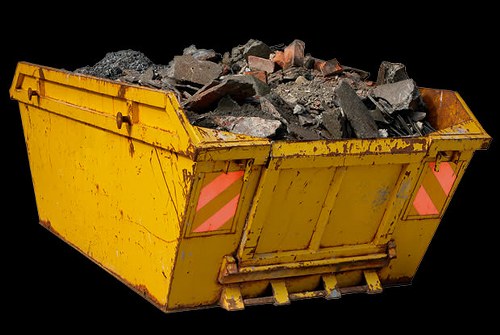
Commercial waste removal in Ilford should be straightforward, practical and suited to the way a business actually works. Our service is set up for shops, offices, hospitality premises, workshops and other commercial sites that need waste collected without slowing down the day. We handle mixed non-hazardous commercial waste, bulky items and general disposal tasks with a focus on clear loading, tidy clearances and sensible sorting for reuse and recycling where it is suitable.
For many businesses, the main value is having a collection arranged around trading hours and site access rather than the other way round. Our commercial waste removal service can support one-off clearances, regular disposal work and jobs that have built up after refits, store changes or office moves. We keep the process practical: the aim is to remove unwanted material efficiently, leave the space ready for use and make the next step easy to arrange if more waste remains.
Simple preparation helps keep the work smooth. If you can group the items that need removing, note any access limits and share a brief description of what is on site, the collection can be planned more accurately. For larger or mixed loads, it is also useful to separate reusable fixtures from general waste so that decisions about disposal are easier to make on arrival. Clear information saves time on the day and helps avoid delays where items are stored across several rooms or floors.
Office and workplace clearances
Office clearance work often involves more than simply taking away old desks or chairs. It can include filing units, broken storage, IT peripherals, shelving, reception furniture and the assorted material that builds up in meeting rooms, storerooms and back offices. Our service is designed to remove these items in a structured way, so the workspace is easier to reset, hand back or reorganise. Where items are suitable for separate handling, they can be kept apart from ordinary mixed waste.
Office clearance can be especially useful when businesses are rearranging teams, replacing furniture or emptying rooms that no longer serve a practical purpose. It is not only for major moves; it can also help when one area has accumulated items that no longer belong there. The work is planned around the contents on site, so a compact office, a shared unit or a larger floorplate can each be approached in a way that suits the layout and the volume involved.
When planning a workplace clearance, the useful information is often quite modest: how much is being removed, whether lifts or stairs are involved, and whether the items are loose or already stacked. If certain pieces must stay on site, it helps to mark them beforehand. That avoids confusion and makes it easier to distinguish waste from equipment, fixtures or records that should not be touched.
Furniture, fixtures and bulky items

Many commercial waste jobs involve furniture and bulky items that are awkward to move but still need to be dealt with carefully. Chairs, tables, cabinets, counters, shelving and similar pieces can take up valuable floor space long after they have stopped being useful. Our furniture removal and disposal work focuses on safe lifting, sensible loading and proper handling of items that are no longer needed in a shop, office, studio or storage area.
Furniture clearance is a practical option when a business wants a space cleared without having to manage the disposal of each piece separately. Some items may be suitable for reuse pathways, while others will need standard disposal. We do not assume that every item is the same; the point is to deal with the actual mix on site, which can include flat-pack units, upholstered seating, display furniture or damaged stockroom fittings. That makes the service flexible enough for routine replacements as well as end-of-tenancy work.
If you are preparing for a quotation, it is usually enough to list the broad categories rather than every single object. A short inventory of the main items, approximate quantity and any access constraints helps the estimate reflect the job more closely. A few photographs can also help with mixed loads, especially where bulky pieces are tucked behind other stock. Keep the information concise and relevant, and you will usually make the next step much simpler.
Shops, stockrooms and public-facing premises
Retail environments often need commercial waste removal for a different rhythm of work from an office or warehouse. Packaging, damaged display items, old shelving, promotional material and tired fittings can build up quickly, particularly when stock changes are frequent. We can help remove mixed business waste from sales floors, back-of-house areas and storage spaces, with attention to keeping customer areas tidy and the route out of the premises as clear as possible during loading.
Business waste removal is useful where a site needs a recurring or occasional collection rather than a one-size-fits-all clean-out. It can support businesses that want to deal with waste in manageable batches, especially when the items do not fit a single category. A retail unit may need packaging and cardboard cleared one week, then shelving or old fittings the next. Our approach is to match the collection to the load and the space rather than forcing the job into a narrow format.
Where stockrooms are involved, it often helps to think about what is disposal, what is damaged stock and what still needs to stay available for use. A straightforward list, plus a note of any heavy items, is usually enough to begin shaping the work. For sites with narrow corridors or shared access, early notice of those limits is particularly helpful because it affects how items are moved, staged and loaded safely.
Commercial collections for bulkier waste
Some jobs are less about furniture and more about the general waste that builds up across a business over time. Packaging, mixed rubbish, old equipment parts, broken units and end-of-line materials can all occupy space that needs to be returned to use. Our commercial waste removal service in Ilford can deal with these bulkier clearances in a practical way, particularly where items have accumulated gradually and now need a single organised collection.
Waste removal works well when the priority is simply to get rid of the unwanted material without overcomplicating the process. That might mean a one-off collection after a tidy-up, or a larger removal following a change in layout, storage practice or trading arrangement. The service is broad enough to cover mixed general waste, but still focused enough to avoid unnecessary handling where a simpler collection is all that is needed.
Three sensible ways to prepare are to group similar items together, check whether anything is fragile or sharp, and point out any restrictions on parking or loading. That information does not need to be lengthy; it just needs to be accurate. If the collection area is split across several rooms, a basic floor-by-floor note can also help, particularly when the load is spread across upstairs storage, ground-floor sales space and a rear yard.
Recycling, sorting and responsible disposal

Commercial waste removal is not only about lifting and transporting items; it also depends on sorting waste sensibly once it is gathered. Materials that can be separated for recycling should be kept distinct from mixed rubbish where possible, while reusable items need to be assessed differently from broken or contaminated ones. Our service is built around that practical distinction, so businesses can clear space while still treating the load with care and avoiding unnecessary disposal of items that may have a different route.
Recycling and sustainability information is useful for businesses that want to understand the broad approach behind the collection. Not every item can be reused or recycled, and not every load is suitable for the same handling path. The important point is that waste should be separated where it makes sense, then dealt with according to its condition and type. That keeps the process grounded in actual materials rather than guesswork, which is especially relevant for mixed commercial loads.
For many customers, the main decision is not ideological but practical: what should be kept, what can be reused and what should be removed now. A good waste clear-out should respect those distinctions without making them hard to manage. If there are items that may be better handled separately, it is worth flagging them before collection so that the load can be organised in a way that matches the business’s priorities and the contents on site.
About Ilford
Ilford is a large town in east London, historically part of Essex and now within the London Borough of Redbridge. It has long been shaped by transport and suburban growth, with Ilford railway station on the Great Eastern Main Line giving the area a strong connection to central London and the wider northeast corridor. The town centre developed around the High Road, where retail, civic and residential uses overlap, while nearby streets show a mixture of Victorian and later twentieth-century development. The area also includes important green spaces such as Valentines Park, one of the best-known open areas in Redbridge, with ornamental features, lakeside walks and formal gardens that sit alongside the built-up townscape. Valentines Mansion, restored and open to the public, reflects the borough’s layered history and gives the park a historic focal point. Further south, the River Roding forms part of the local landscape, while the A118 and other main roads reinforce Ilford’s role as a busy east-west and north-south connector. The town has also become known for its cultural diversity, with a strong range of independent businesses, places of worship, food outlets and community institutions spread through the district. That mix of transport links, historic suburban fabric and active commercial streets gives Ilford a character that is both everyday and metropolitan, with the town centre continuing to evolve around retail, services and public space.
Warehouse and back-of-house waste
Behind many commercial premises there are storerooms, rear yards, plant spaces and small warehouse areas that gather waste in a less visible way. Cardboard, packaging, broken pallets, obsolete fixtures, damaged stock and general debris can all build up away from the customer-facing side of the business. Our commercial waste removal work can deal with these back-of-house areas as part of a wider collection or as a standalone clearance, depending on how the site is used and what needs to be removed.
Builders waste clearance is relevant where a commercial property has been altered, refurbished or fitted out and the leftover material is mixed with ordinary business waste. Offcuts, packaging from new fittings, broken panels and small rubble-type waste can quickly make a rear area unusable. The point of a targeted clearance is to separate that material from everyday rubbish and remove it efficiently, so the site can return to normal use sooner and with less clutter around entrances, stockrooms and service corridors.
Where there is a lot of mixed material, a short note about the main categories helps us decide how to approach the work. It is often useful to mention whether items are loose, bagged or stacked, and whether the route from the waste area to the vehicle includes steps, narrow passages or shared access. Those details are more helpful than a long description, because they show how the removal needs to be carried out in practice.
Special items and cautious handling
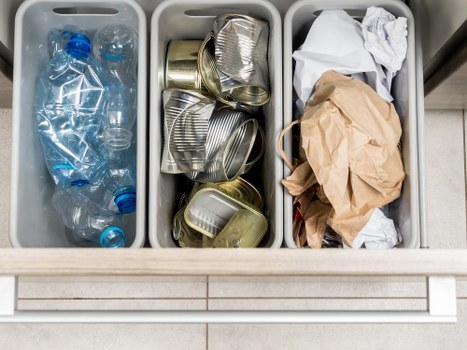
Some commercial waste jobs include items that need more careful handling than ordinary office or shop waste. Fridges, appliances, confidential material, mattresses or sofas may need separate consideration because of their size, contents or disposal route. We can support customers where such items are part of the wider load, provided they are suitable for the service and the relevant disposal path is clear. This keeps the collection practical while recognising that not every item belongs in the same category.
Fridge and appliance removal is one example of a more specific task that can sit alongside broader waste collection. Appliances are often awkward because they are heavy, bulky and difficult to store once replaced. Where businesses are upgrading equipment or emptying a staff kitchen, it makes sense to remove those items in a controlled way rather than leaving them to occupy valuable space. Similar care applies to items that may need specific sorting before disposal.
For any load that includes unusual or potentially awkward items, the safest approach is to say so early. That does not mean the job becomes complicated; it simply means the removal can be planned with the right handling in mind. A concise description is often enough, especially where the main task is still a standard commercial clearance and the special items are only part of the total load.
Pricing, access and quotation details
Commercial waste removal costs depend on the amount and type of material, how easy it is to access, and whether the load includes bulky or separate items that need different handling. A single small collection and a multi-room clearance are rarely priced in the same way because the time, lifting and transport involved are not the same. That is why a clear description of the waste is usually more useful than a vague request for a figure. It gives the quotation a proper basis.
Pricing and quotes information can help businesses understand how a collection is approached before they request work. The important practical factors are usually quantity, location within the premises, the effort needed to reach the waste and whether the material is mixed or straightforward. If the site has limited parking, controlled entry or timed access, that should be mentioned as well, because those details can influence the planning as much as the waste itself.
If you are ready to move things forward, send a short description of the load and ask for a quotation. You can also note whether the job is a one-off clearance or part of an ongoing arrangement. When you are ready, ask for a quote and we will use the information provided to shape the next step. If a collection date needs to work around opening hours, mention that too, so the arrangement can be made with the site’s routine in mind.
Further support for business waste planning
Some customers prefer to think about waste as part of a wider routine rather than a single clearance. That may involve periodic disposal from offices, retail stockrooms or mixed-use premises where waste appears in regular bursts. Our service can sit alongside that sort of planning by providing clear collections when the material has reached the point where it is no longer worth keeping on site. The aim is always to remove the load without turning a straightforward job into an administrative burden.
Contact us is the simplest way to begin when you have a commercial waste job in Ilford that needs arranging. A brief outline of the premises, the waste and the access is usually enough to start the conversation. If you are weighing up whether a load is suitable for collection, include the broad item types and any constraints that might affect lifting or loading. That information lets us respond more usefully and helps avoid unnecessary back-and-forth.
For businesses that like a bit of structure before requesting work, the following checklist may help:
- identify the main item categories
- note approximate quantity or room count
- flag stairs, lifts, narrow access or parking limits
- separate anything that must stay on site