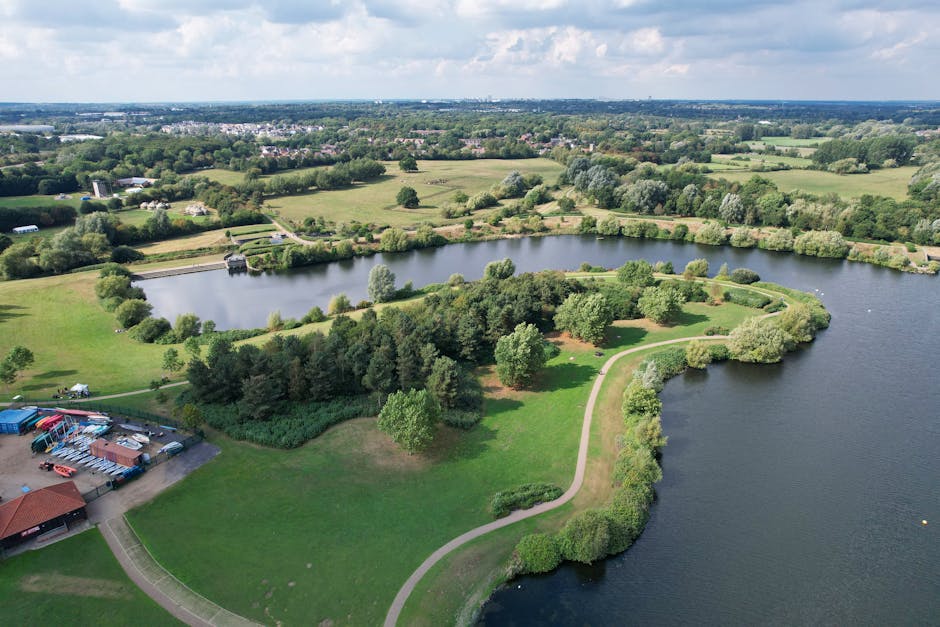
Fairlop Waters garden waste and rubbish removal Ilford
If your garden has got away from you a bit, you are not alone. After a windy weekend, a hedge trim, or one of those jobs you keep putting off until "tomorrow", the pile can grow fast: branches, grass cuttings, old compost bags, broken pots, a few odds and ends that somehow ended up outdoors. Fairlop Waters garden waste and rubbish removal Ilford is about getting that mess cleared quickly, safely, and in a way that makes the space usable again.
For many people in Ilford, the tricky part is not the gardening itself. It is what comes after. How do you get rid of bulky green waste? What about mixed rubbish from a shed tidy-up? Can everything go in one load, or does it need sorting? In this guide, we will walk through the practical side of the job, the common pitfalls, and the smarter ways to handle garden clearance without turning a simple weekend task into a second project.
Along the way, you will also find useful links to related services like garden clearance, general waste removal, and pricing and quotes if you want to plan the next step with a bit more confidence.
Why Fairlop Waters garden waste and rubbish removal Ilford Matters
Garden waste sounds harmless enough, but in real life it can become a nuisance quickly. Damp grass cuttings go slimy. A few pruned branches become a waist-high tangle. Soil, rubble, and plant pots often get mixed in, and then suddenly the whole heap is awkward to move. If you have ever tried dragging a half-filled builder's bag through a narrow side path while it's drizzling, you'll know the feeling. Not ideal.
In the Fairlop Waters and wider Ilford area, garden waste removal matters for three main reasons: space, cleanliness, and convenience. A clear garden is easier to enjoy, easier to maintain, and less likely to attract pests or become a trip hazard. It also helps if you are preparing a property for sale, tenancy changeover, landscaping, or just want the place to look cared for again. Truth be told, a tidy outdoor area changes the whole mood of a home.
There is also the rubbish side of the equation. Garden jobs rarely produce only green waste. Old fence panels, rotted planters, broken outdoor furniture, tangled hosepipes, and cracked slabs often crop up at the same time. That is where a combined clearance approach makes sense. Rather than tackling several disposal routes, one organised collection can deal with the lot in one go, subject to what can be accepted.
Expert summary: If your outdoor waste includes both green material and general rubbish, a mixed clearance is often the simplest route. The key is separating anything hazardous, electrical, or heavily contaminated before the collection day.
How Fairlop Waters garden waste and rubbish removal Ilford Works
The process is usually more straightforward than people expect. Most garden clearances follow a similar pattern: assess the load, identify what can be taken, agree a price or estimate, then remove the waste from the property and sort it for recycling or disposal. Some jobs are simple one-off collections. Others need a little more planning, especially if access is tight or the pile is mixed with bulky household items.
A typical clearance might include grass cuttings, hedge trimmings, leaves, branches, twigs, weeds, old turf, compost, and small amounts of soil. Rubbish can include damaged garden furniture, plant pots, plastic tubs, sacks, broken ornaments, fencing offcuts, and general clutter from sheds or patios. If you are already clearing a garage or loft as well, it can sometimes make sense to combine tasks and use a broader service such as garage clearance or home clearance.
Collection teams will normally load the waste, sweep up loose debris, and ensure the area is left in a sensible condition. That does not mean it will look landscaped, of course. But it should feel usable. And yes, a good clearance crew notices the little things - the sharp bits under the hedge, the hidden bag of old compost, the half-buried patio slab that would otherwise catch your ankle.
Where possible, materials are separated for recycling. Green waste, untreated wood, metal, and certain rigid plastics may be handled differently from general rubbish. If you want to understand how waste is typically split and what is prioritised for diversion from landfill, it is worth reading the company's recycling and sustainability information before booking.
Key Benefits and Practical Advantages
The obvious benefit is getting rid of the mess. But there is a bit more to it than that. A proper garden clearance can save time, reduce stress, and stop small jobs from snowballing into a whole weekend lost to bin bags and wheelbarrows.
- Faster turnaround: No need to make repeated trips to a disposal site or wait for council collection dates.
- Less physical strain: Heavy bags of damp waste, branches, and awkward debris can be harder work than they look.
- Better presentation: Helpful if you are renting out, selling, or simply want to enjoy the space.
- Cleaner access: Removing clutter from patios, paths, and side returns makes everyday movement easier.
- Safer handling: Sharp sticks, broken glass, rusty fixings, and hidden waste are dealt with properly.
- More efficient sorting: Loads can be separated for disposal and recycling instead of being left in one mixed heap.
There is also a practical mental benefit. A cluttered outdoor area tends to sit in the back of your mind. You walk past it, sigh a bit, and promise yourself you will deal with it later. Once it is gone, the whole space feels calmer. Almost suspiciously calmer, to be fair.
If the job sits alongside household items, you may also find it useful to compare with house clearance or furniture disposal if old outdoor seating or indoor items are part of the same project.
Who This Is For and When It Makes Sense
This kind of clearance suits a wide mix of people. Some are dealing with the aftermath of a big pruning session. Others are preparing a property for a move, a tenancy inspection, or a garden redesign. You might also need help if you have inherited a property with an overgrown outdoor space, or if a shed or side yard has become a bit of a storage zone over the years. Happens more often than people admit.
It makes sense when:
- you have more waste than your household bin can realistically handle;
- the pile includes awkward or bulky items;
- you want the garden cleared quickly rather than over several weeks;
- the waste is mixed and needs sorting before disposal;
- you would rather not lift, bag, and transport everything yourself;
- the space needs to be made usable for work, rest, or showing to others.
Homeowners, landlords, letting agents, tenants, and small businesses all use garden waste removal for different reasons. A cafe with an outdoor seating area, for example, may need a seasonal tidy-up. A landlord may need a garden reset between occupiers. A homeowner may simply want to get ahead of the spring growth before it takes over again.
If you are dealing with a bigger property clean-up, related services like flat clearance or office clearance can help keep the whole job aligned. Not every clearance is just one thing; life is messy like that.
Step-by-Step Guidance
Here is a practical way to approach Fairlop Waters garden waste and rubbish removal Ilford without overcomplicating it.
- Walk the area slowly. Look for green waste, mixed rubbish, hidden debris, and anything sharp or heavy.
- Separate the obvious problem items. Set aside anything hazardous, electrical, or likely to need special handling.
- Estimate the volume. Think in terms of builder's bags, small van loads, or simply "a few piles" versus "a proper clear-out".
- Check access. Can a team get through the side gate? Is the pathway narrow? Are there steps, low branches, or parked cars in the way?
- Choose the right service. If it is mainly green waste, a dedicated garden clearance may be enough. If it is mixed rubbish too, a broader waste removal solution might work better.
- Ask about sorting and recycling. It is sensible to know how the load will be managed before anything is removed.
- Book the collection. Many people prefer a fixed time slot, especially if they have work, school runs, or neighbours to coordinate around.
- Clear a loading route. Move fragile pots, toys, and anything you do not want knocked over.
- Do a final sweep. Once the main waste is gone, check for nails, bits of string, broken glass, and leftover twigs.
A small tip that saves trouble: keep a separate pile for anything you are unsure about. A "maybe" heap stops confusion on the day and avoids last-minute faffing around. It sounds simple. It is simple. But it helps.
Expert Tips for Better Results
Over the years, one pattern comes up again and again: the best clearances are the ones where the waste is roughly grouped before collection begins. You do not need to sort every leaf by hand, obviously. But a little preparation goes a long way.
- Keep green waste separate from hard rubbish where possible. It makes the load easier to assess and often easier to recycle.
- Break down bulky items if safe to do so. Cut long branches, flatten bags, and stack awkward pieces neatly.
- Watch for contamination. Soil mixed heavily with rubble, paint tins, batteries, or unknown chemicals may need special handling.
- Think ahead about weather. Wet green waste is heavier, smellier, and more awkward. A dry morning makes life nicer for everyone.
- Take photos before booking if the pile is large. This helps avoid confusion and speeds up quotes.
Another useful habit is to ask what happens to the waste after collection. If a provider can explain sorting, recycling, and disposal clearly, that is a good sign. You are not being picky; you are being sensible. There is a difference.
For special items that appear during the job, such as a broken lawnmower, fridge stored in the shed, or an old sofa dragged out to the patio, related pages like fridge and appliance removal and mattress and sofa disposal may be relevant, depending on what you need to clear.
Common Mistakes to Avoid
Most problems with garden rubbish removal are avoidable. The mistakes are usually small, but they add friction. And in a clearance job, friction means delays, extra cost, or a load that cannot be taken as planned.
- Mixing everything together without checking first. A pile containing only green waste is very different from one mixed with rubble, paint, or broken fittings.
- Leaving waste in a hard-to-reach spot. Tucked behind a shed or across a muddy lawn? That can slow everything down.
- Assuming all garden waste is harmless. Old treated timber, chemicals, and contaminated materials are not the same as hedge trimmings.
- Underestimating volume. Bags compress less than you think. Branches take up space. A lot of it.
- Forgetting about access restrictions. Gate widths, parking, and narrow paths matter more than people expect.
One especially common issue is the "just add it to the pile" approach. It feels efficient at first. Then you realise the pile now contains six different waste types and one rusty chair leg hiding underneath. Not a disaster, but not helpful either.
If there is any doubt about hazardous materials, keep them out of the main load and look at hazardous waste disposal for the right direction.
Tools, Resources and Recommendations
You do not need a shed full of specialist equipment to prepare for garden waste removal, but a few basic tools make the job easier and safer.
| Item | Why it helps | Best use |
|---|---|---|
| Heavy-duty gloves | Protect hands from thorns, splinters, and hidden sharp edges | Sorting branches, lifting mixed debris, moving broken planters |
| Rake and broom | Collects loose leaves, soil, and smaller debris quickly | Final tidy-up before collection |
| Builder's bags | Useful for compacting smaller loads and making lifting simpler | Grass cuttings, hedge trimmings, light mixed waste |
| Secateurs or loppers | Helps cut branches down to a manageable size | Pruning and branch reduction |
| Tarpaulin | Keeps waste in one place and makes moving it easier | Large clean-ups and wet weather |
For planning and budgeting, the most useful pages tend to be pricing and quotes, book online, and contact us if you want to speak through the details first. There is no harm in asking a few practical questions before booking. In fact, you should.
If you are comparing disposal methods, the page on what can go in a skip can also be useful for understanding what kinds of materials are generally accepted in a standard mixed load context.
Law, Compliance, Standards, or Best Practice
Garden waste removal in the UK is shaped by ordinary waste-handling expectations, duty-of-care principles, and sensible environmental practice. That does not mean you need to become a waste law specialist just to clear a hedge, but it does mean the waste should be handled by a provider who understands sorting, transport, and disposal responsibilities.
As a customer, the safest approach is to keep the load honest. If there is anything unusual in the pile, say so up front. That includes asbestos-like materials, chemicals, oils, treated timber, paint products, sharp metal, or anything that may count as hazardous. A reputable service will normally advise what can be taken and what needs separate treatment. Guessing is where things go wrong.
Good practice also includes:
- not mixing hazardous and non-hazardous waste indiscriminately;
- keeping access routes safe and reasonably clear;
- checking whether any special items need separate disposal;
- using a provider that is clear about insurance and safety;
- making sure the waste is not fly-tipped or left in an unsuitable place.
For peace of mind, related company information such as insurance and safety and health and safety policy can help you understand the standards behind the service. If you are a business customer with outdoor waste from premises, business waste removal may also be relevant.
One simple rule of thumb: if you would hesitate to put something in a normal mixed waste load, pause and ask first. That small pause can save a lot of hassle later.
Options, Methods, or Comparison Table
There are a few ways to deal with garden waste and rubbish in Ilford. The best option depends on volume, urgency, access, and the mix of material.
| Method | Best for | Pros | Limitations |
|---|---|---|---|
| DIY bagging and transport | Very small amounts of light waste | Low cash cost, full control | Time-consuming, physical effort, multiple trips |
| Skip-style disposal planning | Projects with ongoing waste generation | Useful for larger jobs, flexible over time | Requires space and correct loading knowledge |
| One-off rubbish and garden clearance | Mixed loads, bulky debris, quick removal | Fast, convenient, less labour for the customer | Needs good access and a clear description of the waste |
| Combined property clearance | Garden plus indoor clutter or shed contents | Efficient if several areas need clearing together | Requires planning so items are not overlooked |
For many households, the one-off clearance route is the sweet spot. It gives you a clean slate without needing to organise transport, lifting, or separate disposal yourself. If the waste is mostly green and you know exactly what you are dealing with, a more targeted garden clearance is often enough. If the space is more cluttered than that, a wider waste removal service may be the better fit.
Case Study or Real-World Example
Imagine a modest back garden in Fairlop Waters after a season of quick fixes: a few bags of grass cuttings near the fence, a pile of cut branches from a hedge trim, two broken plant pots, a cracked plastic storage box, and some old outdoor cushions that have seen better days. Nothing dramatic. Just enough to feel messy every time you look out the kitchen window.
The owner had tried to chip away at it in stages, but rain kept getting in the way and the bags kept multiplying. By the time collection was arranged, the waste was grouped into one corner, access through the side gate had been cleared, and the obvious "unknowns" were separated out. The actual removal took far less effort than the build-up had suggested. That is often how it goes. The job feels huge until the waste is organised properly.
Afterward, the garden felt bigger. Not magically bigger, of course. But the sightlines opened up, the path was clear, and the space could be used again without that low-level nagging feeling. That little mental lift is easy to underestimate.
For the owner, the key lesson was simple: sort first, haul later. Or, if that sounds too tidy, "get the chaos into one honest pile and deal with it properly." Same idea, just less polished.
Practical Checklist
Use this checklist before booking Fairlop Waters garden waste and rubbish removal Ilford.
- Have you identified all green waste, rubbish, and bulky items?
- Have you set aside anything hazardous or unusual?
- Is the waste easy to access from the collection point?
- Have you checked for sharp objects, nails, broken glass, or hidden debris?
- Have you estimated whether the load is small, medium, or large?
- Do you know whether the job is garden-only or mixed with household waste?
- Have you considered whether a related service, such as garage clearance or house clearance, would save time overall?
- Have you asked how the waste will be sorted or recycled?
- Are you clear on pricing, timing, and access requirements?
- Is there a final sweep planned after the collection?
If you can tick most of those off, you are in good shape. If not, no problem - just do a quick prep round first. It will make the whole thing smoother, and probably cheaper too.
Conclusion
Fairlop Waters garden waste and rubbish removal Ilford is really about one thing: making outdoor spaces usable again without turning the job into a drawn-out burden. Whether you are clearing hedge cuttings, a neglected corner of the garden, or a mixed pile of rubbish after a bigger tidy-up, the smartest approach is usually the simplest one - sort the load, keep hazardous items separate, and choose a removal method that matches the scale of the mess.
What matters most is clarity. Know what you have, know what needs special handling, and choose a service that explains the process properly. That saves time, reduces stress, and helps the job go through without unpleasant surprises. A tidy garden really does change the feel of a home, especially on a calm evening when the air is cool and the space finally looks open again.
When you are ready to move from "I should deal with this" to "that is done now," take the straightforward route and get the help that fits the job. A little organisation goes a long way.
Get a free quote today and see how much you can save.
Frequently Asked Questions
What counts as garden waste in Fairlop Waters garden waste and rubbish removal Ilford?
Garden waste usually includes grass cuttings, hedge trimmings, branches, leaves, weeds, soil in reasonable amounts, plant pots, turf, and similar outdoor debris. If the pile also contains general rubbish, broken furniture, or shed contents, it may need a mixed waste solution rather than green waste only.
Can green waste and general rubbish be collected together?
Often, yes, provided the load is described clearly and does not include prohibited or hazardous materials. Mixed garden rubbish is common after a tidy-up, especially when old outdoor items, bags, and pruning waste are all in the same area.
Do I need to bag the waste before collection?
Not always. Bagging can help if the waste is light, loose, or scattered, but many clearances can also handle stacked branches and bundled debris. If possible, grouping waste neatly usually makes the collection quicker and simpler.
What if my garden waste includes soil, rubble, or broken paving?
That kind of material can change how the load is handled, because soil and rubble are heavier and may need to be separated from green waste. It is best to mention those items in advance so the right service can be arranged.
How quickly can a garden clearance be arranged in Ilford?
Timing depends on workload, access, and the size of the job. Small clearances are often easier to schedule than larger mixed loads, but it is always sensible to ask early if you need the space cleared by a specific day.
Is garden waste removal suitable after a landscaping project?
Yes, absolutely. Landscaping jobs often produce branches, turf, old edging, pots, packaging, and bits of mixed debris. A post-project clearance is one of the most common uses for this kind of service.
What should I do with hazardous items found in the garden?
Keep them separate and do not mix them into the main waste pile. Items like chemicals, oils, unidentified containers, or treated materials may need special handling. If in doubt, ask before collection.
Can I combine garden clearance with other property clearance work?
Yes. If the garden is only one part of a bigger tidy-up, it can be efficient to combine it with services such as home clearance, garage clearance, or loft clearance, depending on what else needs removing.
How do I know if the service is handling waste responsibly?
Look for clear information about recycling, sorting, and safety. A good provider should be able to explain how loads are processed and what happens to different waste types. You do not need every detail, but you should feel confident that the waste will be handled properly.
What is the best way to prepare the garden before collection?
Clear access paths, group the waste into one or two tidy piles, remove anything you want to keep, and set hazardous or uncertain items aside. A quick sweep for sharp bits is worth doing too. It saves accidents and makes the collection smoother.
Is it worth asking for a quote before booking?
Yes, especially if the pile is mixed, bulky, or hard to access. A quote helps you compare options and avoid surprises. If you need extra guidance, the pricing and quotes page is a sensible place to start.
What if I only have a few bags of grass cuttings?
Even small amounts can be worth collecting if you do not want the hassle of repeated trips or waiting for another disposal option. The right approach depends on volume, urgency, and whether you have other rubbish to include. Sometimes the smallest job is still the one that feels nicest to get out of the way.